
What Place Do Orchards Have in BNG?
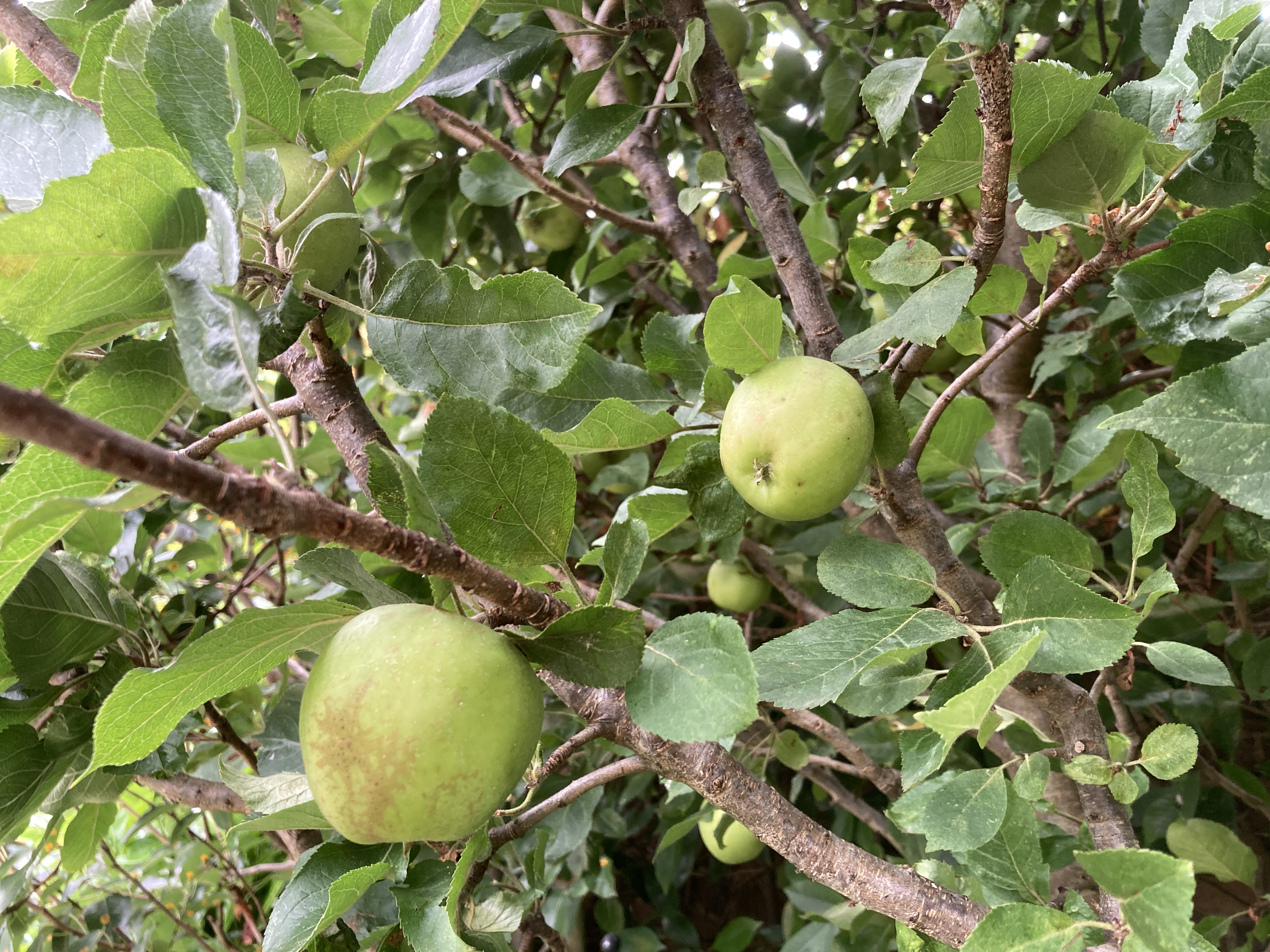
Rewilding or managed landscape?
It might seem to clash with the idea of rewilding, but traditional orchards are some of the UK's most distinctive landscapes. With mature fruit trees, permanent grassland, blossom, deadwood and diverse vegetation, they can support a remarkable variety of wildlife. They have had their place for centuries in historic estates and formal gardens, but their value doesn't stop at the garden wall.
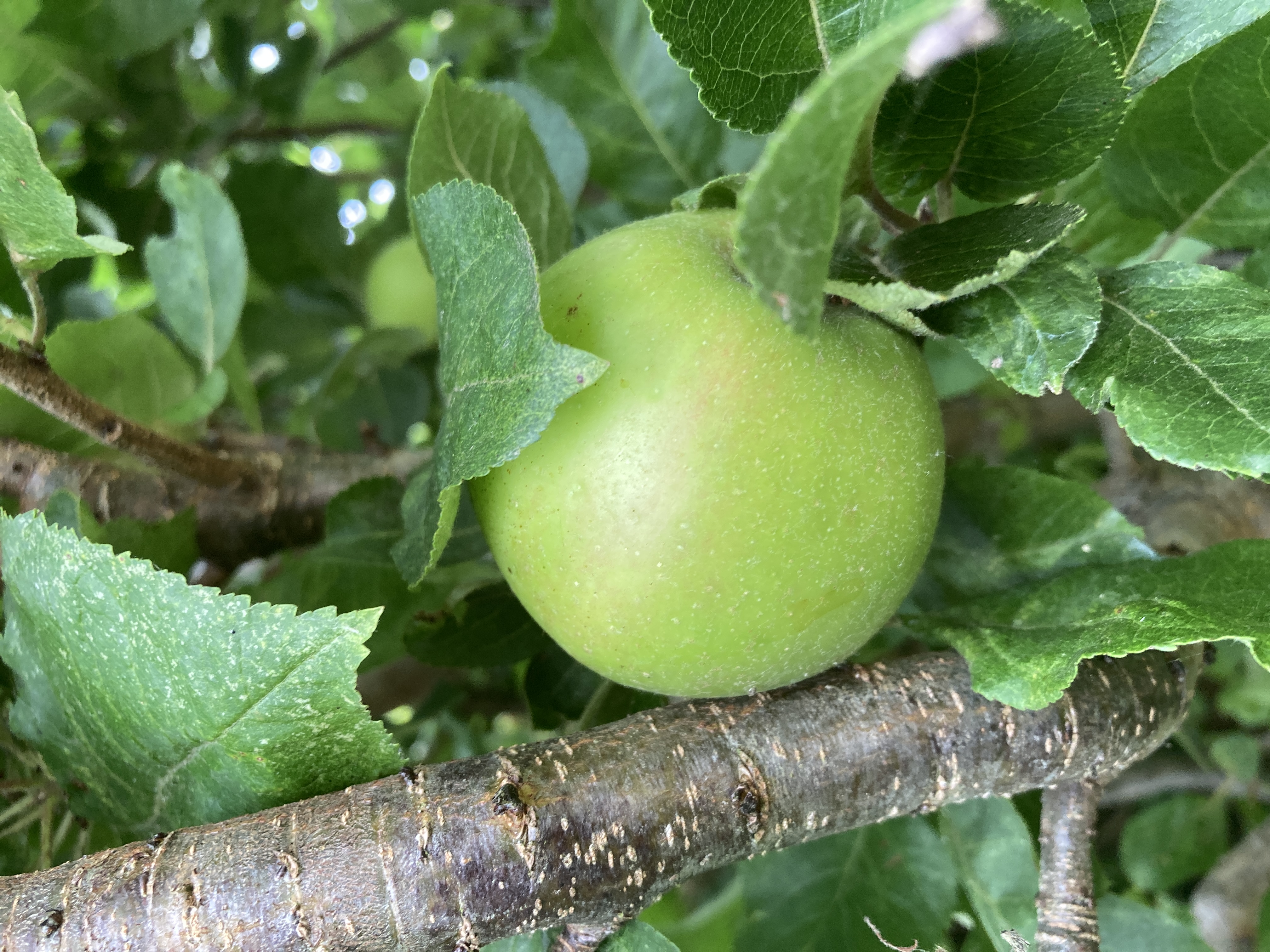
Why Are Traditional Orchards a High Distinctiveness Habitat?
Versatility: Traditional orchards do double duty in a BNG site, with grassland below and canopy above. The soil remains undisturbed over 30 years, giving invertebrates and soil structure time to establish, protecting the whole site for the long term.
Rarity: Orchards have existed in the UK since Roman times. Manor houses and monasteries took over their care, and cottage farmers developed orchards from the 1700s. Since their peak in the 1950s, orchards have declined by 90%, putting them at their rarest in hundreds of years.
Variety: A single BNG Partnership traditional orchard provides 8 different fruit types, giving a very long feeding season for local birds, mammals and insects. The range of species appeals to a wide variety of wildlife, improving the biodiversity of the site.
More Than Just Fruit Trees
An orchard can be a complex ecosystem, with different features supporting wildlife in different ways:
- Mature trees provide nesting, roosting and shelter opportunities.
- Blossom and flowering plants provide important food sources for pollinators.
- Grassland beneath the trees provides food and shelter for insects and mammals.
- Cracks, cavities and deadwood create valuable spaces for fungi, invertebrates and other species.
- Fruit provides a long season of food for the full range of wildlife at our sites.
It is this combination of features that makes these landscapes so valuable.
A Year in the Life of an Orchard Tree
Spring: Blossom provides food for pollinating insects.
Summer and Autumn: Fruit becomes a valuable food source for birds and mammals. Dropped leaves build up soil health and support invertebrates.
Winter: Windfall and undropped fruit sustains birds and insects through the colder months.
As the tree ages, cavities and decaying wood can support an even wider range of species.
What may appear to be a collection of old fruit trees is actually a network of habitats, supporting life throughout the seasons.
What Do Orchards Mean for BNG?
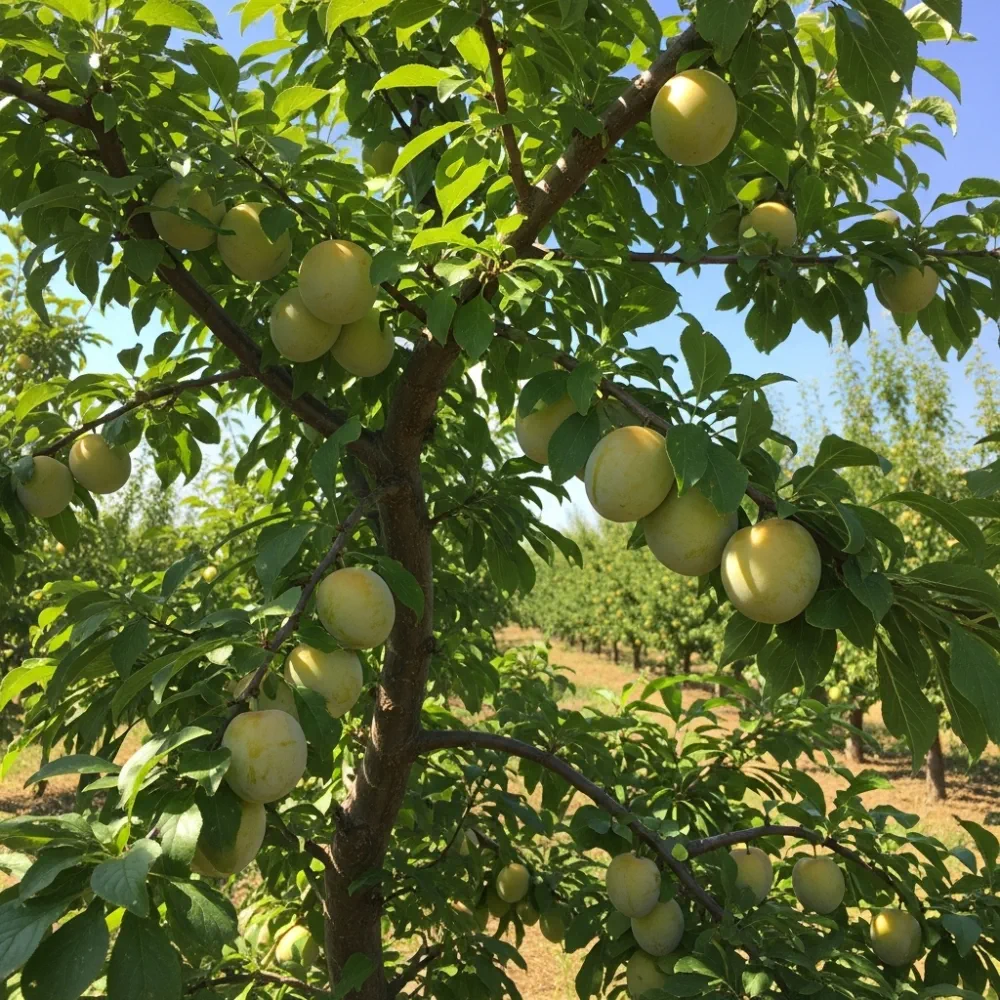
Biodiversity Net Gain aims to create a more thoughtful approach to development, identifying the effect on local habitats and how biodiversity can be protected and enhanced.
For BNG, this means taking a multi-layered approach:
- Protecting valuable existing habitats wherever possible.
- Recognising the importance of mature habitats and the time they take to develop.
- Restoring degraded landscapes to improve their ecological condition.
- Creating high-quality habitats that can provide long-term benefits.
- Connecting habitats to strengthen wider ecological networks.
BNG is about more than delivering biodiversity units. It is an opportunity to contribute to stronger, more resilient landscapes.
Building Landscapes for the Future
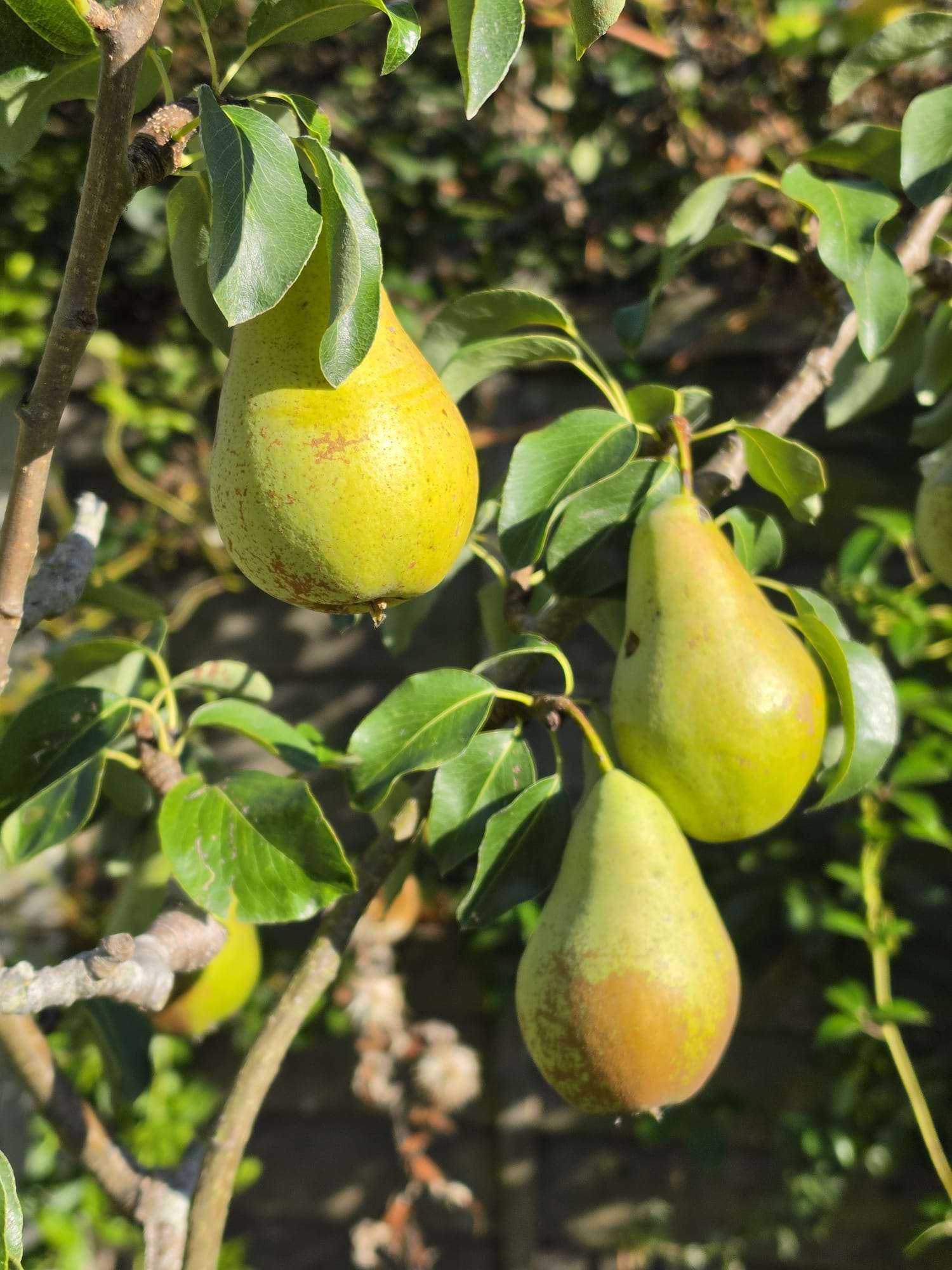
Orchards show us that nature recovery is not just about leaving nature to its own devices. It is also about creating and protecting valuable habitats which take years to develop, and have a significant impact on local biodiversity. Each habitat type has its own role to play, and should be built into the overall mosaic of our sites.
As BNG continues to shape how biodiversity is considered within development, the focus should remain on creating meaningful outcomes for nature, whether that is through rewilding, or more hands-on interventions.
See what else we're creating
To see more about BNG Partnership's impact on the natural world, check out our habitat banks.