What does it take to create a registered Habitat Bank?
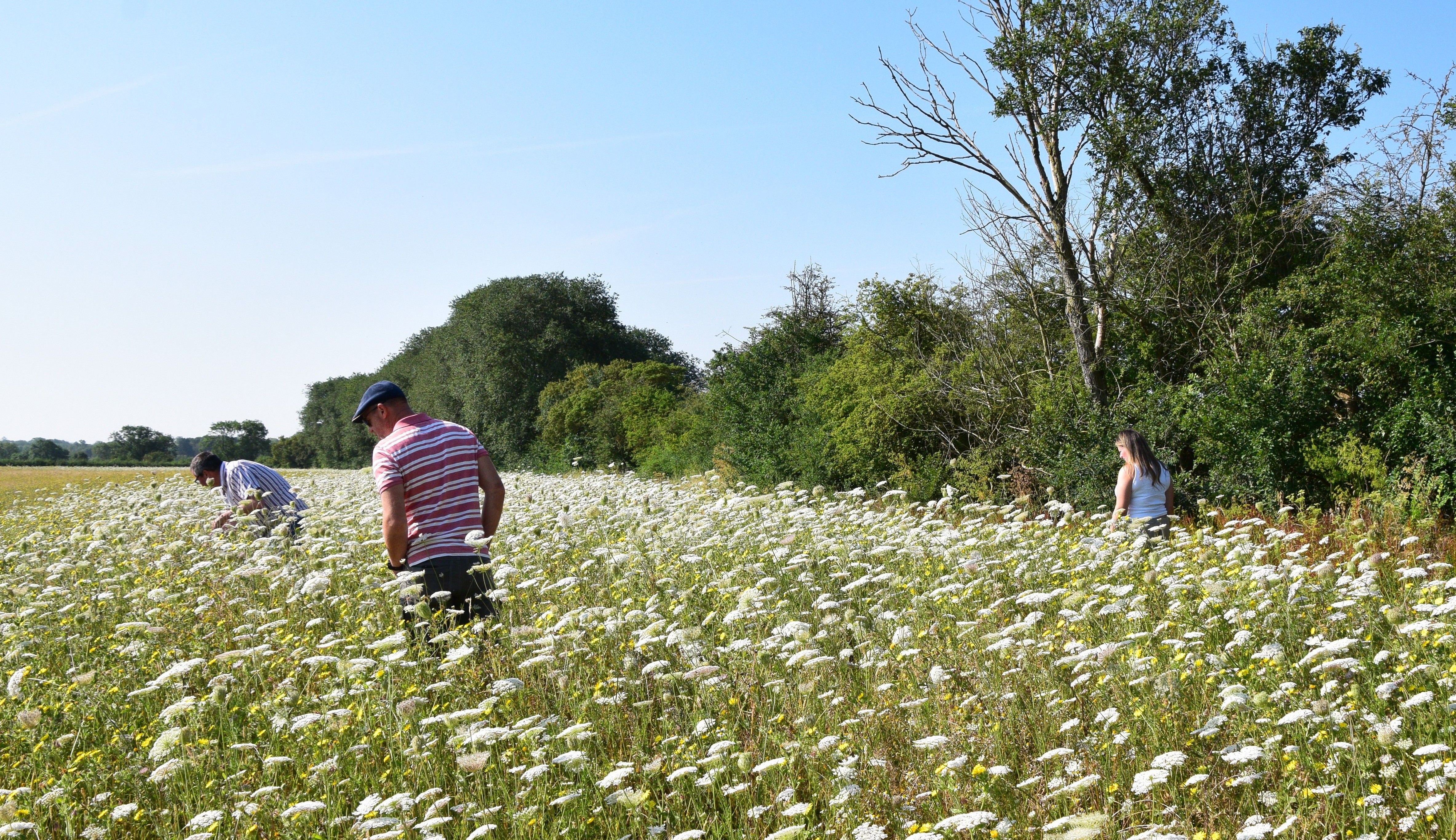
Creating BNG Habitats for local Developers
Biodiversity Net Gain (BNG) is a legal requirement for developers. Each development must improve biodiversity by 10% compared to pre-development baseline. Developers often use registered offsite habitat banks to achieve this 10%. Here's a look at what it takes to create these habitat banks.
A 30-year Commitment
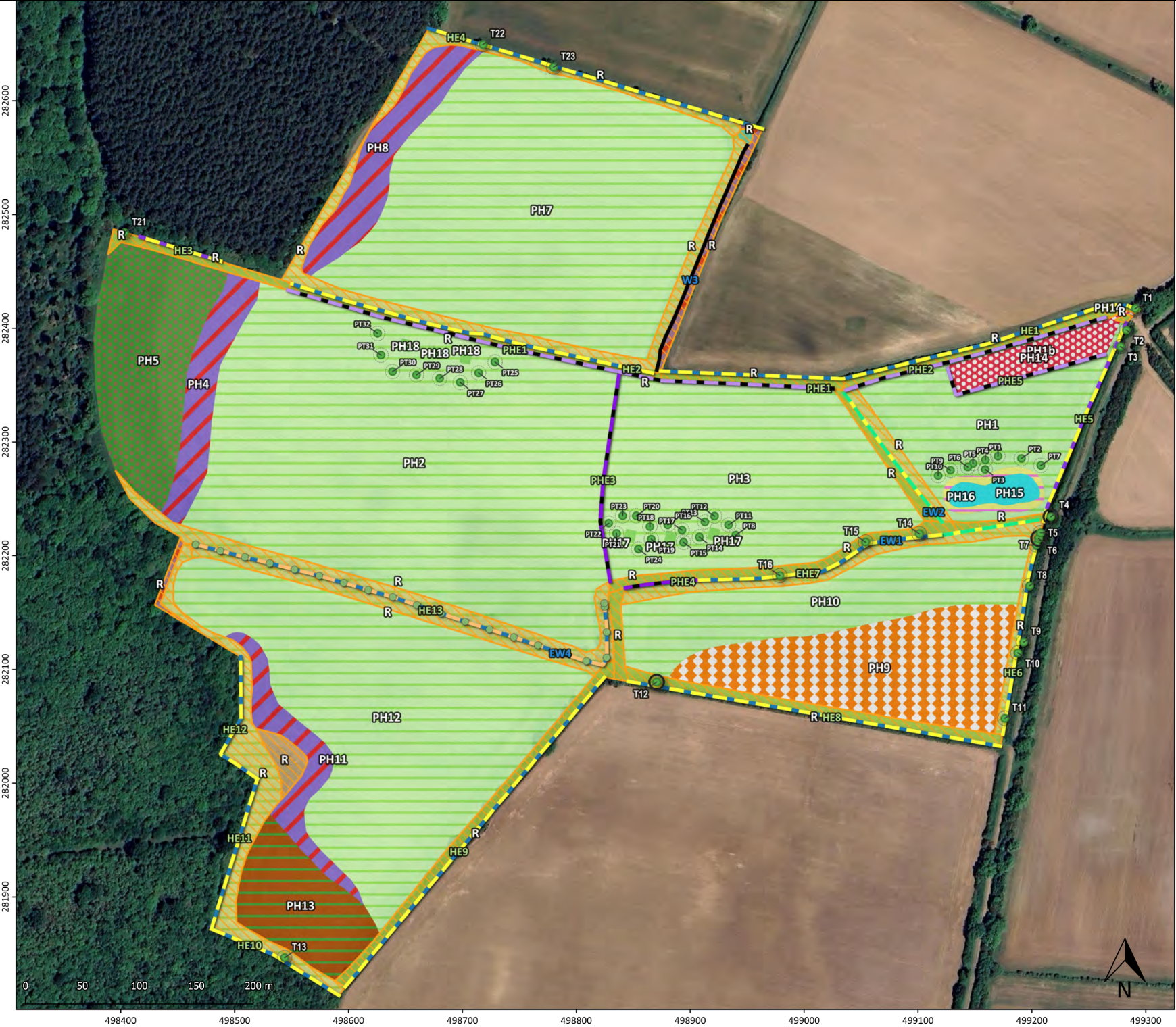
Creating a successful habitat bank takes more than a plan. It requires careful implementation, verified delivery and a clear commitment to habitat management and monitoring over the required 30-year period.
Under Biodiversity Net Gain (BNG),each stage has a distinct role, from assessing the land and establishing the right habitats to securing completion certificates and tracking ecological progress. Together, these processes help ensure that habitat creation works meet the agreed requirements and deliver lasting biodiversity gains.
Effective implementation and monitoring also help track how habitats develop, identify areas that need attention and ensure that management remains focused on the agreed ecological objectives.
The HMMP: A Framework for Habitat Bank Delivery
Each habitat bank provider will develop a Habitat Management and Monitoring Plan (HMMP).
The HMMP sets out how the site will be developed, managed and monitored to achieve the agreed biodiversity objectives. It provides a framework for the initial implementation works and the ongoing 30-year management and monitoring period.
The HMMP covers several key areas:
- Habitat creation and enhancement: The habitats to be established or improved, including the methods used to achieve the intended outcomes.
- Implementation methods and timescales: The practical works required, when they should take place and how they will be delivered.
- Ongoing habitat management: The activities needed to maintain and improve habitat condition over time.
- Ecological monitoring: The surveys and assessments used to track habitat development and measure progress against the agreed objectives.
- Adaptive management: The actions required if monitoring identifies that habitats are not developing as intended.
All implementation and management activities must follow the measures and commitments set out in the HMMP. This ensures that habitat creation is not treated as a one-off exercise, but as a long-term process focused on establishing, maintaining and improving habitats over the 30-year period
Starting With the Baseline: Understanding the Site
Before work begins, the land must be assessed by an ecologist to establish the existing habitats, their extent and their condition. This baseline informs the habitat creation strategy and provides a reference point for future monitoring.
A baseline assessment helps identify:
- Existing habitats: What is already present on the site?
- Habitat condition: What is the condition of the soil? What is the overall ecological condition?
- Wildlife and species: What wildlife is present on the site and in the surrounding areas, including any rare species?
- Enhancement opportunities: Where can habitats be created or improved?
- Site constraints: What factors could affect implementation?
- Measurable objectives: What improvements need to be achieved?
These findings inform the HMMP and help determine which interventions are appropriate. Site plans also identify habitat parcels and show where specific works will take place.
Understanding the land from the outset establishes clear ecological objectives and provides a basis for assessing progress throughout the habitat bank's development.
NB: This is where the habitat is submitted to the Biodiversity Gain Site Register. Only registered sites can be used to offset BNG requirements for developers.
The Practical Stages of Habitat Bank Implementation
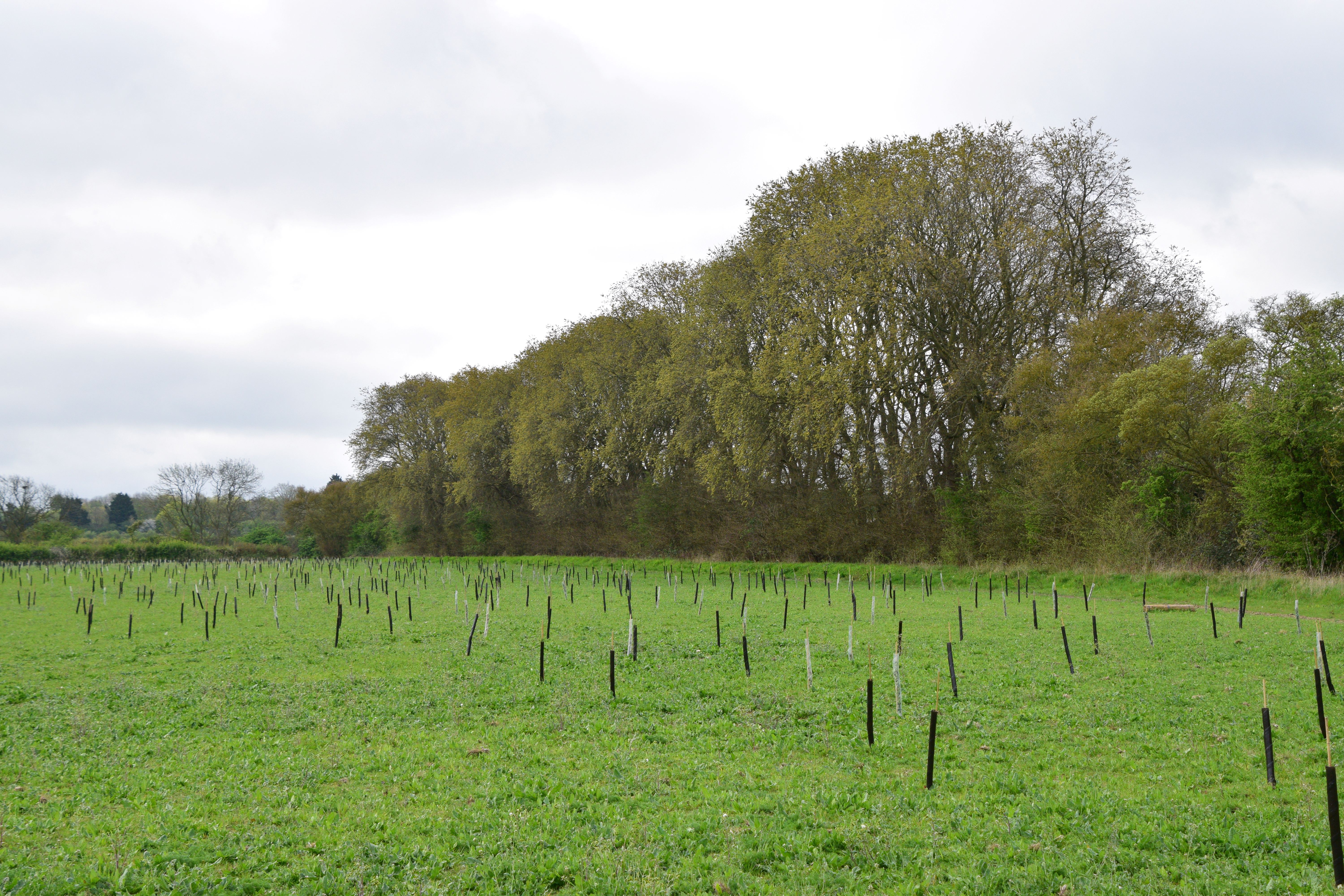
Once the baseline assessment is complete, the next stage is to put the habitat management plan into action. This involves preparing the site, addressing existing constraints and carrying out the work needed to create or enhance the planned habitats.
Implementation works may include:
- Grassland creation: Establishing wildflower-rich grassland and introducing appropriate grazing or cutting regimes.
- Tree and hedgerow planting: Establishing native vegetation to create and enhance habitat features.
- Wetland creation: Restoring ponds, creating marsh areas or introducing wetland vegetation.
- Scrub and woodland-edge creation: Establishing habitats with transitional planting.
- River restoration: Restoring riverbanks or introducing riffles to vary water flow and riverbed structure.
- Field margin enhancement: Improving buffer areas and introducing features such as deadwood piles.
Setting up a habitat bank takes time, and the process can span several months or even years, depending on the site's existing conditions and the habitats being established. Soil preparation, seasonal constraints and the time needed for vegetation to grow all influence the implementation timeline.
Once the required implementation works and habitat creation milestones have been achieved, the site can progress to Completion Certification.
Habitat Bank Completion Certificates: What Do They Mean?
A habitat bank completion certificate is a formal step in the implementation process, issued by the relevant Local Planning Authority (LPA) or Responsible Body following an assessment of the habitat creation or enhancement works. It confirms that the works have met the agreed requirements and marks the start of the 30-year habitat management and monitoring period.
The process includes an audit by an independent ecologist, which informs the assessment before the LPA or Responsible Body issues the certificate.
The key stages are:
- Implementation: Deliver the agreed habitat creation and enhancement works.
- Independent audit: Completed works assessed by a third-party ecologist.
- Certification: Obtain the completion certificate from the relevant LPA or Responsible Body.
As habitat banks move from registration to on-the-ground habitat creation, Completion Certificates mark an important milestone. With the Biodiversity Gain Sites Register established in 2024, sites are now beginning to reach this stage as habitat creation works are completed and independently assessed.
However, receiving a Completion Certificate does not mean the process is finished. Habitats develop over the 30-year period to reach their target condition, so management and monitoring must continue to track their progress and ensure they meet the agreed biodiversity objectives.
Among the First Habitat Banks to Reach Completion
Ote Hall Habitat Bank in Sussex and Boxworth Habitat Bank in Cambridgeshire are among the first habitat banks in England to achieve their Works Completion Certificates, marking an important step in their implementation.
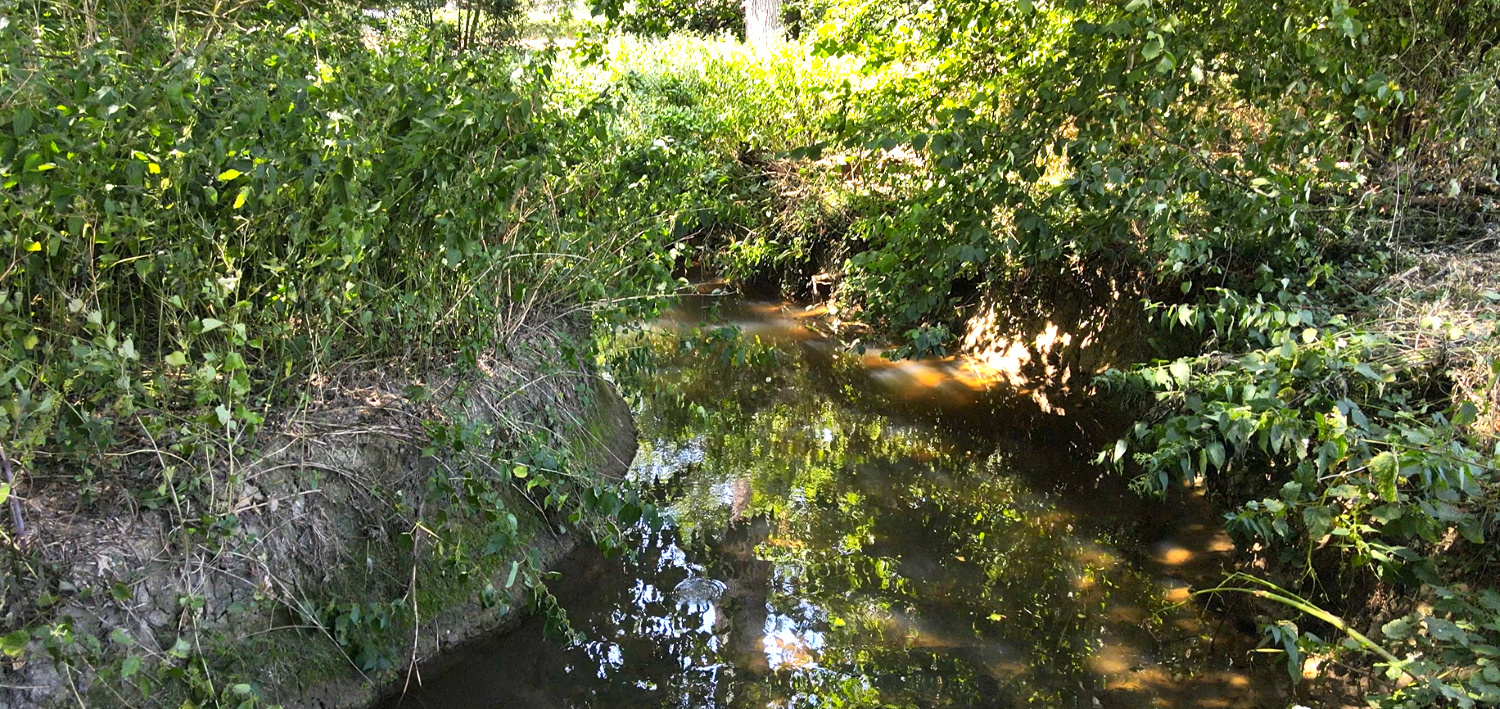
At Ote Hall, habitat creation has included river restoration works, including the introduction of riffles into the riverbed. These works help create greater variation in the river environment, providing a range of conditions for aquatic species and contributing to the site's ecological value.
East Sussex County Council carried out the survey to assess the completed works, and Lewes District Council subsequently issued the Works Completion Certificate. This confirmed that the relevant planting, drilling and initial habitat creation works had met the requirements for this stage of the project.
At Boxworth, South Cambridgeshire District Council issued the Works Completion Certificate in March 2026, following an independent ecological assessment carried out by an ecologist working directly for the Council. The certificate confirmed that the initial habitat creation works, including planting and seeding, had met the required standards.
The site is being developed into a diverse mosaic of new woodland, species-rich grassland, traditional orchards and native hedgerows. Together, these habitats are intended to establish a resilient ecosystem that develops over its 30-year management and monitoring period.
Habitat Monitoring: Beyond the Minimum Requirements
Habitat creation and enhancement works are only one part of a habitat bank's lifecycle. Under BNG, habitat enhancements must be maintained and monitored for a minimum of 30 years, as secured through a Section 106 legal agreement or Conservation Covenant.
The HMMP sets out the management activities, monitoring schedules and objectives that must be followed. Monitoring assesses whether habitats are developing as intended and helps identify where management measures need to be adjusted.
Going Beyond the Standard Monitoring Requirements
At BNG Partnership, we look beyond standard habitat assessments to build a broader picture of how our habitats are developing. Alongside monitoring habitat condition, we use additional ecological observations to understand how different species interact with and use our habitats.
These include:
- Soil assessments: Examining soil characteristics to understand the conditions influencing habitat development.
- Animal tracking: Using trail cameras to monitor animal movements and understand how different species use the site and surrounding habitats.
- Birdsong surveys: Recording bird activity to gain insights into bird species using the habitats.
- Bee surveys and hive installation: Monitoring bee activity and installing bee hives to observe pollinator activity and encourage the use of the site by bees.
These additional observations help us look beyond the habitat requirements set out in the Habitat Management and Monitoring Plan (HMMP). While the HMMP focuses on establishing and maintaining habitats, we also want to see the wider benefits these habitats can bring to biodiversity.
From planting and vegetation growth to the birds, invertebrates and mammals that use the sites, our monitoring helps us understand how these wider ecological benefits are developing over time. The aim is to create habitats that have a lasting, positive impact on biodiversity, with benefits that extend beyond the boundaries of our habitat banks.