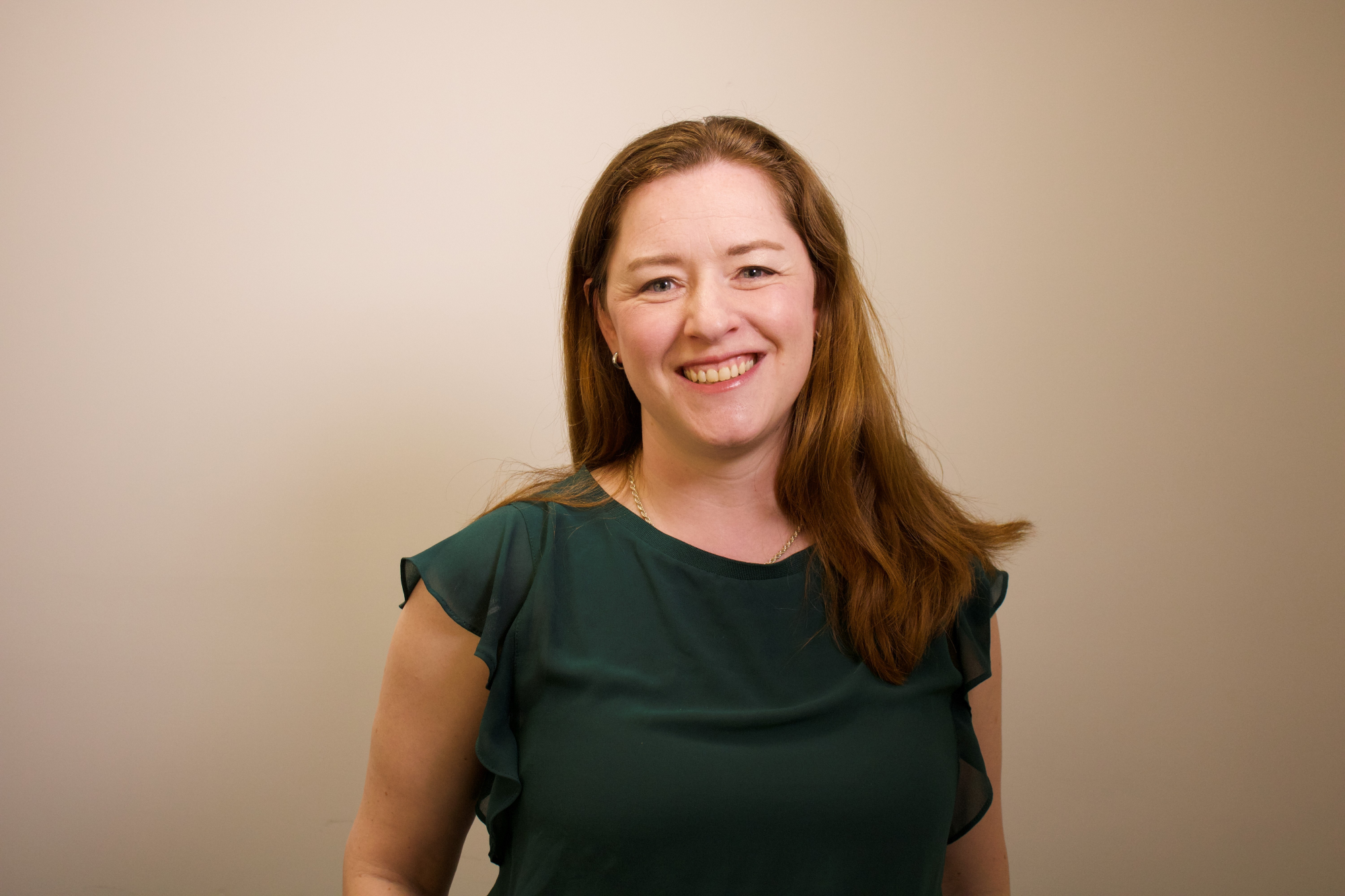
Ote Hall Farm - an interview with Carola and Matthew
%20compressed%202.jpg)
Blending History with Nature Recovery at Ote Hall Farm
Nestled in the Low Weald of East Sussex, Ote Hall Farm is an historic estate shaped by centuries of dedicated stewardship by the Godman Family. The oldest part of Great Ote Hall was built in 1530, added to in 1600, and in 1880 completed by General Godman, as it stands today.
Great Ote Hall and Ote Hall Farm have been owned and managed mostly by the Godman family over its long existence (with a few interruptions), each generation leaving their mark on its rich agricultural heritage. Today, mother and son Carola Godman Irvine and Matthew Godman Law are pioneering an ambitious new chapter for the estate by expanding its focus from traditional crop production to the deliberate cultivation of biodiversity.
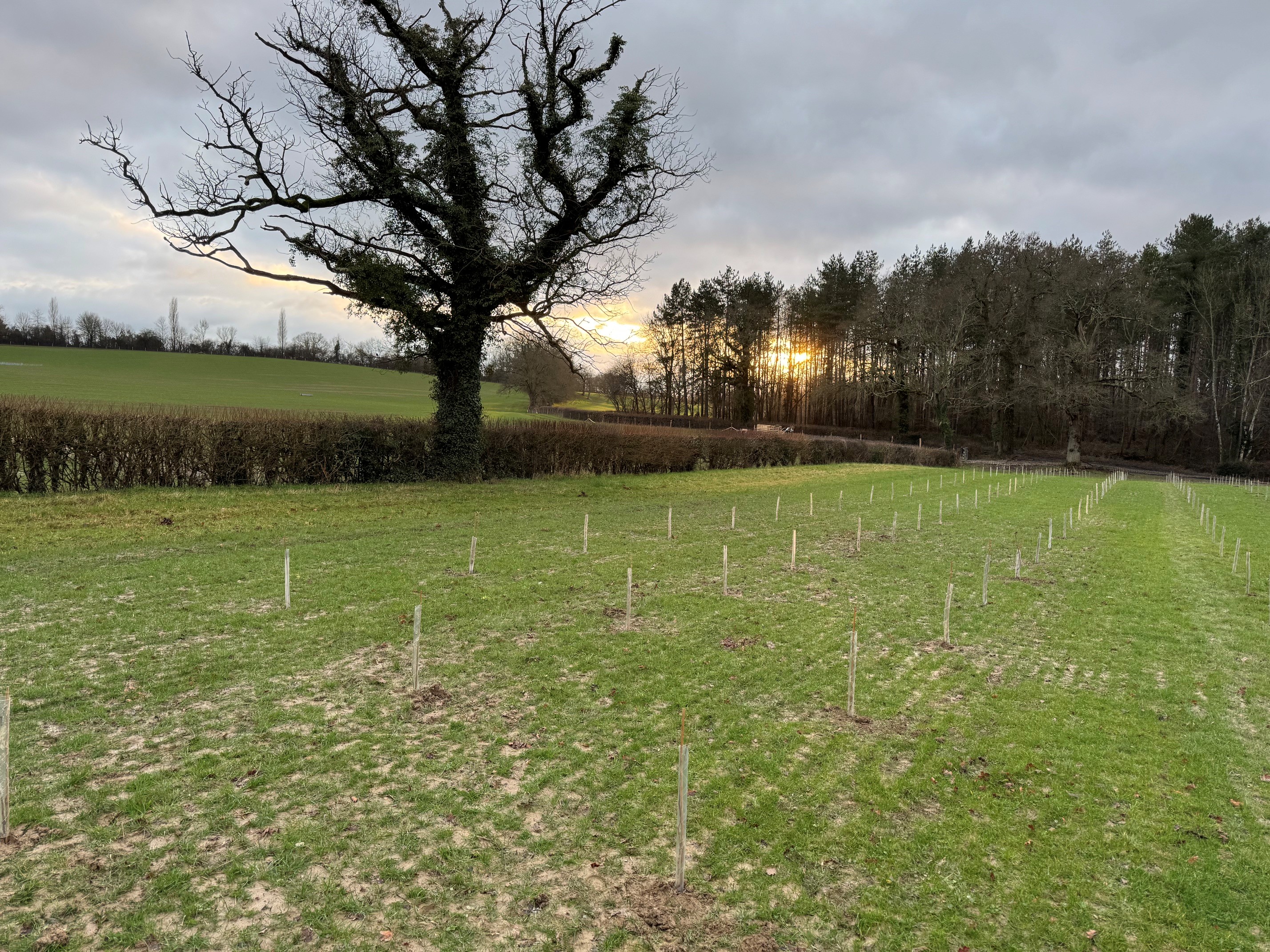
Officially secured via a Section 106 legal agreement with Lewes District Council and listed on the national BNG register, the Ote Hall Habitat Bank has become a cornerstone project for the Lewes LPA and Low Weald National Character Area (soon to also provide units to the East Sussex and Brighton & Hove Local Nature Recovery Strategy Areas). Spanning 19 hectares (not all being put to habitat creation) of former farmland, the site has been meticulously transformed into a rich ecological mosaic. This new wildlife haven features:
- 10.3 hectares of wildflower grassland to support pollinators like the rare Marsh Fritillary.
- 2.3 hectares of traditional orchard planted with over 200 fruit trees.
- 1.5 hectares of dense mixed scrub for nesting birds and overwintering hedgehogs.
- Over 700 metres of new hedgerow for local wildlife.
- 50 metres of dedicated riverbank planting along the River Adur.
Crucially, the long-term management of this habitat bank remains in the hands of the people who know the land best. We sat down with landowners Carola and Matthew to discuss how they are working alongside ecological experts to protect their family's heritage while establishing a sustainable, nature-positive future.
1. The Family History
Ote Hall Estate has been around since the 1500s. How does it feel to change land that has been farmed for generations into a home for nature?
All major changes at Great Ote Hall and Ote Hall Farm, have been carried out by the Godman family, since the 1500s. Each generation adapts to specific situations. We feel that to protect the farm from outside influences, particularly development along our boundaries, this was a sensible route to take, without changing the key purpose of the farms which is to produce food.
There are oak trees on the land that are hundreds of years old. How does this project protect that local history?
We believe that the habitat banks which are situated at the north end of the farm on the edge of Haywards Heath, and the fields to the south on the edge of Burgess Hill, both rapidly expanding towns, will protect the farm and ancient oak trees, including in the ancient woodlands, and the legacy left by previous generations of the Godman family.
2. Making the Change
What made you decide to take the leap and team up with BNG Partnership to build a habitat bank?
We wanted to encourage wildlife by creating a more natural environment, and BNG Partnership came highly recommended by Knight Frank Rural, as natural partners.
BNG Partnership provided practical and technical support and advice as they led the process. Regarding the work required with planting and managing the fields, they explained the process well and regularly visit the farm to check on our progress.
What has been the biggest difference for you in managing the area for wildlife compared to your agricultural land?
Climate change has played a difficult hand these past few years. The excessively heavy rainfall overwinter, and drought conditions in the spring, has made farming traditionally on our heavy weald clay challenging. This first year changing from arable to grassland, and planting the orchard, shrubs and hedges in torrential rain, in January and February was interesting. Going forward now that everything is planted and growing, the care of these fields should fit into the general day to day running of the farm.
Getting the legal paperwork sorted with the local council can seem daunting. How did you find that process?
The legal paperwork was led by BNG Partnership. It is complicated and very time consuming. The team, in conjunction with our lawyers Thompson Snell & Passmore, advised Lewes District Council who had never processed a BNG application previously.
3. Looking After the Land
BNG Partnership believes that "the people who know the land best should look after it." How does your experience on this farm help you manage the new habitat?
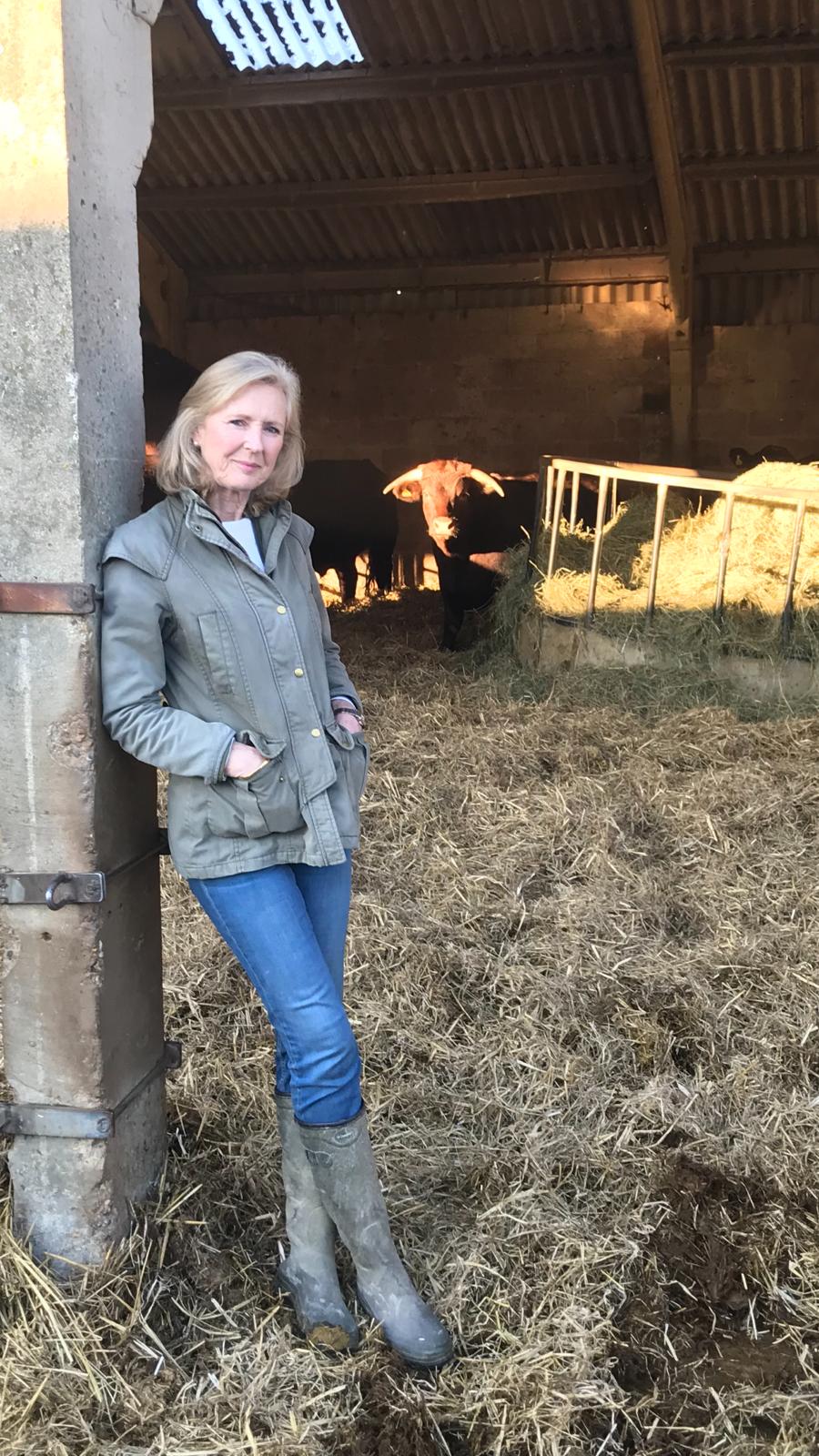
Carola - My mother Valborg Godman Irvine farmed Ote Hall from 1942 until 1990. I grew up on the farm and have had sole charge since 1990. Matthew joined the team in 2020, having grown up on the farm. Our experience and knowledge of Ote Hall over many decades, allows a natural transition to various changes we have made including the new habitat. Over the last thirty years we have been continually diversifying. Creating these new habitats is the next step in the evolution of Ote Hall Farms.
Work finishes this summer. What has been the most exciting or surprising change you’ve seen on these 19 hectares so far?
It has been encouraging to see how most of the trees, shrubs and hedges have survived the extreme weather conditions. We have had to water the orchard trees which were suffering from the drought. It is good to see the variety of rare wildflowers blossoming, and already there is an increase in birds and butterflies.
4. Looking Ahead
Ote Hall Farm is now an important nature site for the South of England. What are you hoping to see happen here over the next 30 years?
We hope that the BNG habitat will mature into a rich mosaic of wildflower meadows, hedgerows and the orchard, supporting a dramatic increase in wildlife. With careful long-term management, Ote Hall has the potential to become a locally significant haven for biodiversity while continuing to demonstrate how a working farm can successfully restore and protect the natural environment.
What would you say to other farming families who are unsure about expanding from traditional farming into nature recovery?
We would advise that they identify appropriate land for creating biodiversity banks, which will protect their land from development, or find less fertile land. However, thirty years is effectively a generation of farming, we feel that the better more fertile land must be kept available for food production which will inevitably become an important issue.
When people look at Ote Hall in the future, how do you want them to see the mix of its history and its new green future?
We hope people will see Ote Hall as a place where history, nature and food production thrive together with our working farm, farm shop and country kitchen, celebrating the connection between the land and the food it provides. By preserving our centuries-old heritage, while restoring habitats for wildlife, we aim to leave Ote Hall Farms in a better condition for the next generation and become a model for a sustainable, nature rich future.
Conclusion: A Blueprint for the Future of Countryside Stewardship
.JPG)
The transformation of this area of Ote Hall Farm demonstrates exactly how private landowners and historic estates can adapt to meet modern environmental demands. By blending centuries of farming heritage with strategic habitat creation, the Godman family is not only helping local developers meet their mandatory planning targets but is also securing a resilient sanctuary for native wildlife.
From providing vital winter forage for migratory birds to rejuvenating the banks of the River Adur, this project ensures that the Low Weald landscape will remain a healthy, vibrant ecosystem for the next 30 years and beyond. It stands as a powerful testament to what can be achieved when agricultural expertise, planning knowledge and ecology come together.