Managing Habitat Banks - the life of a Habitat Bank Lead
I'm Emily Mead, I'm the BNG Partnership Habitat Bank Lead.
My background is in human geography. When I completed my geography degree, quite a lot of it was more on the built environment rather than the natural environment.
.jpeg)
That geography degree did highlight quite a lot of how they're linked in some ways, but could be more intertwined with each other, and I think that sparked the curiosity of how we can bring the natural and built environments together moving forward.
I joined BNG Partnership when the company was formed, so I've been following BNG since the draft Environment Bill came out in December 2018. It progressed to the Act when it reached Royal Assent in 2021, then there was the lead in period before BNG was made mandatory in 2024. I enjoyed watching the progression of the policy and regulations through the process. Once it did become mandatory, it was nice to see the progression and development of the BNG market, educating developers, LPAs and so on.
I've always liked the policy side of things, understanding the decisions behind why things work, and how they work. I think the geography degree definitely sparked that. So, it was nice to watch the process of BNG coming through in the Environment Act.
Planning Expertise
I worked for six years in a planning consultancy. I got quite a good sense of how the planning process works and how the BNG process works within that.
Some people overlook how complex planning can be and how long it can take. When you see the other hoops that developers have to jump through, you have an extra appreciation of all the other things that they are juggling as well as now having to do BNG on top. As a business, we have a little bit more of an appreciation of the planning process and what developers are going through. That means we can give them a little bit more support in the right way and provide them with everything they need to make sure that that process is as streamlined as possible.
Managing BNG Stock
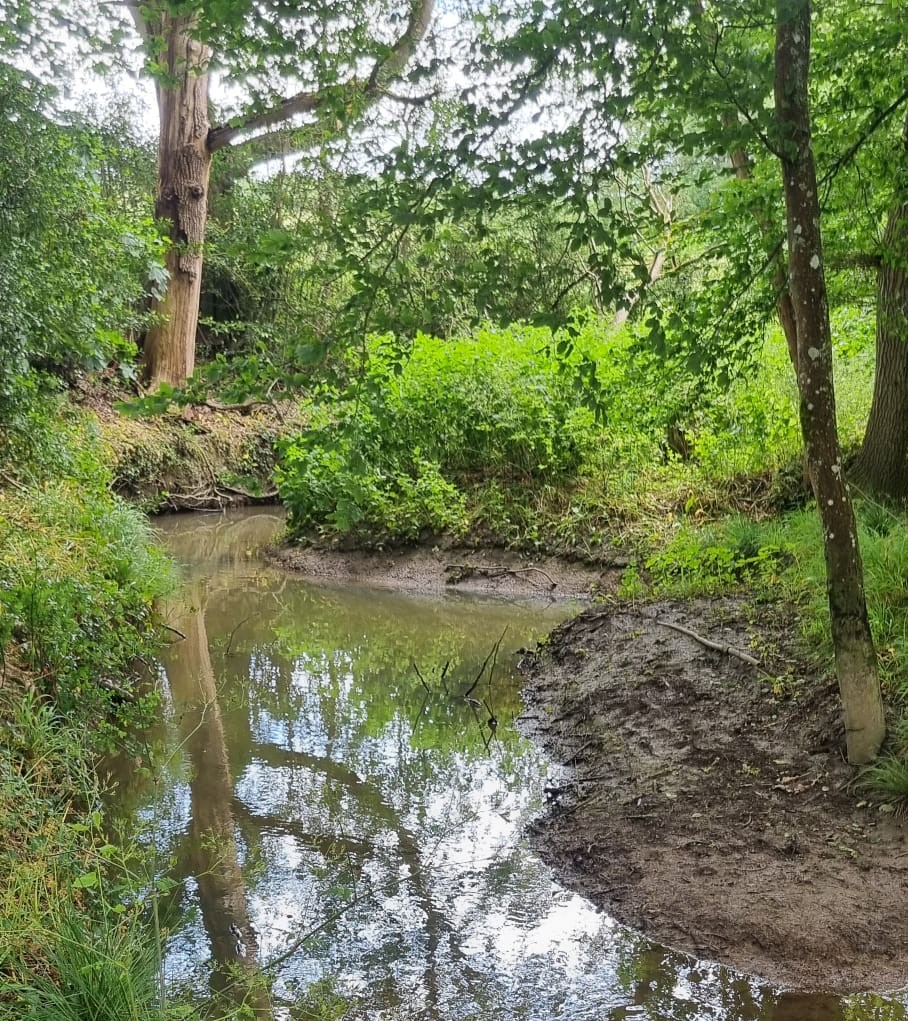
Essentially, my day-to-day role within BNG Partnership is tracking our Habitat Bank stock. When we have offsite unit requests come in, we make sure that we can meet the exact requirements, tracking it against what we've got, and compare it with anything in the pipeline. Once the deals go through, I submit all the relevant documents that DEFRA needs ,tracking it through the process, answering any questions that they have, and ensuring that the developers have exactly what they need to discharge their condition.
Creating Habitat Banks
On the habitat bank side, we're always looking for new sites. That's quite a big part of my job. We look for land to match where we have had a developer demand. Where we have particularly big offsite unit demand from a developer, we'll go out and look for land suitable to meet this. We have quite a few specific requirements for land so it can be quite a long process of trying to find exactly what we need.
Once we have found something, we then go into the process of creating the habitat bank. We also go out and visit the sites and take soil samples. These help with deciding what areas of the site are suitable for different habitat types.
Habitat Monitoring
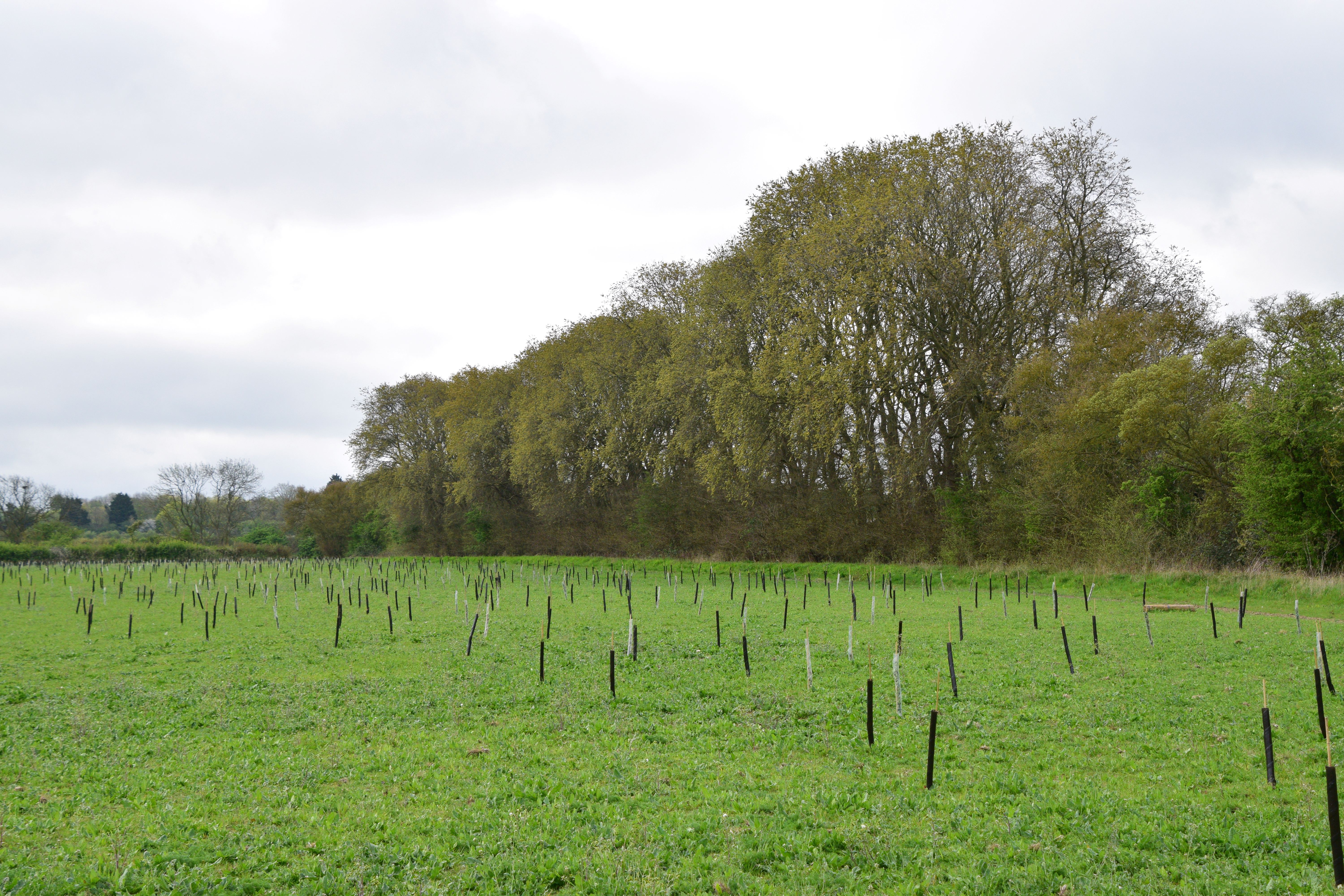
With habitat banks that have been implemented, we're doing a similar thing. We check if trees are still alive, work out how and what time of year we're planning on cutting the site, and other management processes.
If we find something that isn't up to standard, we discuss with the wider team about remediation strategies. Depending on the scale, if it's a few trees that have died, sometimes we can leave them. Obviously, this summer, for example, it has been very hot and very dry. So, we've come to the decision to leave them over the winter because as the soil begins to moisten again from the rain, we might start to see some things recovering.
Next year, after we have our first monitoring report from our ecologist, we can have some more discussions on extra remediation that might be needed. We’ll consider whether we need to mulch them, whether we need to water them, how many we will need to replace. Do we think about putting them somewhere else? Those are the discussions that we need to have.
However, there is some margin for error because we assume some things will be lost. That’s the nature of habitat creation. When we plan out our species mixes and numbers, there is a margin in there for some to be lost or thinned. We over plant things like woodland and scrub to then account for thinning and the natural deterioration of some of the plants throughout the process.
Closing the gap between natural and built environments
Obviously, in this country, everyone focuses heavily on house building targets. We must build houses, but I don't think nature should be compromised for these targets to be met. I think there needs to be more collaboration between the developers, house builders and the nature market. Basically, what BNG does is mitigate the impacts that development can have on the natural environment. I think some people would argue that you could do more, that 10% is not enough.
I think it really is important that people can access nature, just in general. Our sites are open to the public – or will be once they are established. I think that's a vital part of what we are doing. I think also putting in the green spaces within urban environments is just as important.
I think there needs to be better links between BNG sites and the developments they support. It gives people a sense of, “this directly relates to me. My house is built because this is here”. It matters for people to have the connection with that specific bit of land, I suppose.
Why open habitat banks to the public?
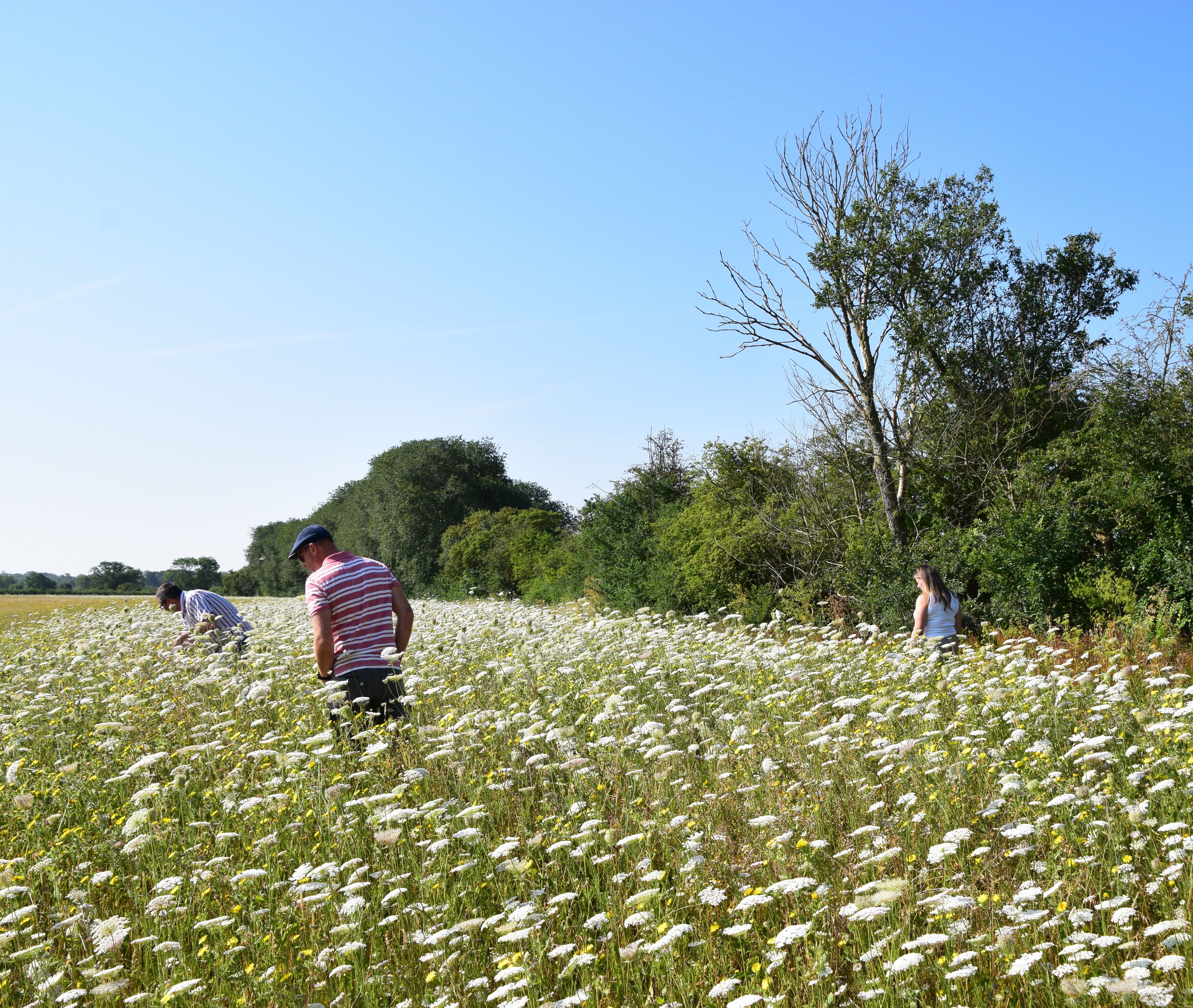
It's always been part of the wider vision for the company for people to be able to access nature and see what we're doing. It's important particularly for children to learn about biodiversity. If they grow up in an urban environment, they're not necessarily as exposed to biodiversity as someone who grew up in the middle of the countryside.
I think it's really important for educational purposes for people to be able to see what we're doing; how habitat creation relates to invertebrate and vertebrate species and how it encourages more biodiversity. I want our visitors to experience all of the flora and fauna that benefits from the planting we put in.